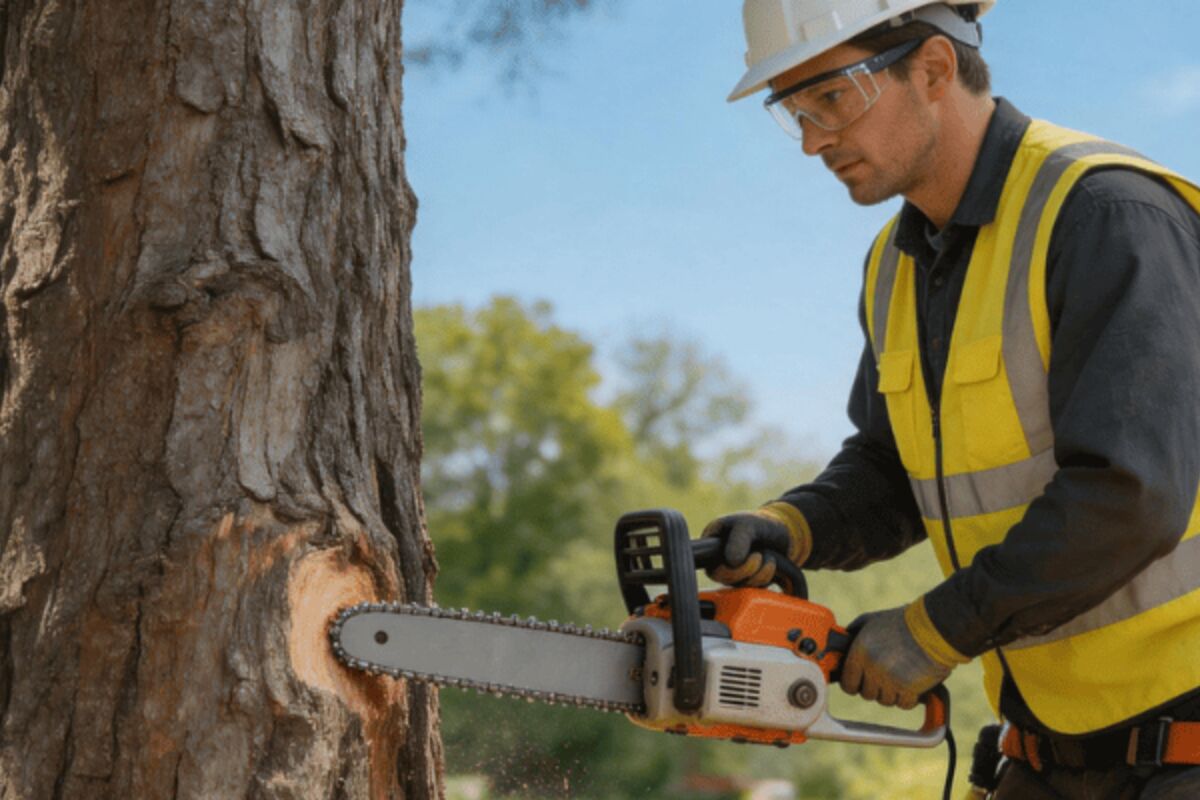
Why Professional Tree Care is Essential Trees add great value to your property, but they can also pose serious risks. DIY tree cutting is extremely dangerous, involving heavy limbs, heights, and unpredictable forces. This guide will help you identify when you need a pro and how to choose the right one.
When to Call a Professional Tree Service: A Homeowner's Guide


By: Kevin Anderson
Recognizing the Red Flags: When to Call a Tree Care Professional Proactive observation is key to preventing tree-related emergencies. Understanding the warning signs that a tree poses a risk can help you schedule service before a crisis occurs. You should seek a professional evaluation if you observe any of the following issues. Structural and Health Warning Signs: Trees often display visible symptoms of internal decay or structural failure. Be vigilant for: Significant Deadwood: The presence of large, leafless branches, especially in the tree's crown, indicates deadwood that can fall without warning. Trunk Damage: Deep cracks, cavities, or seams in the trunk are critical weak points. Fungal growth (like mushrooms or conks) on the trunk or roots is a strong indicator of internal rot. Root Problems: Heaving soil, severed roots from construction, or a noticeable lean that is recent or increasing are signs of root system failure, which can lead to sudden collapse. Crown Dieback: When the upper part of the tree (the crown) shows thinning foliage or dead branches, it signals a serious health issue affecting the tree's vitality. Situational Hazards Requiring Action: Some scenarios inherently require professional intervention due to immediate or high risk: Storm Damage: Following severe weather, trees may have hanging broken limbs (called "widowmakers"), split trunks, or be partially uprooted, creating an unstable and urgent hazard. Proximity to Targets: A tree whose branches are entangled in power lines poses an electrocution and fire risk
How to Choose a Qualified Company Selecting the right service is critical. Follow these steps to ensure quality and safety: Verify Insurance & Credentials: Only hire a company with current liability and workers' compensation insurance. An ISA Certified Arborist on staff signifies expert knowledge. Get Detailed Estimates: Obtain at least three written quotes specifying the work, cleanup, and total cost. Check Their Reputation: Ask for references and read online reviews. A trustworthy company will have a proven local track record.
The Tree Service Process: What to Expect Knowing the process ensures a smooth experience. It typically involves: Consultation: An arborist will assess the tree, discuss the job, and provide a written plan and estimate. Execution: The crew secures the area and uses professional techniques and equipment (like chippers and stump grinders) to remove the tree safely and efficiently. Cleanup & Options: A good service leaves your property tidy. They will also discuss aftercare options like stump grinding or wood removal. Remember, the lowest price may not guarantee the safest or most thorough work. Investing in a qualified professional ensures the job is done right.