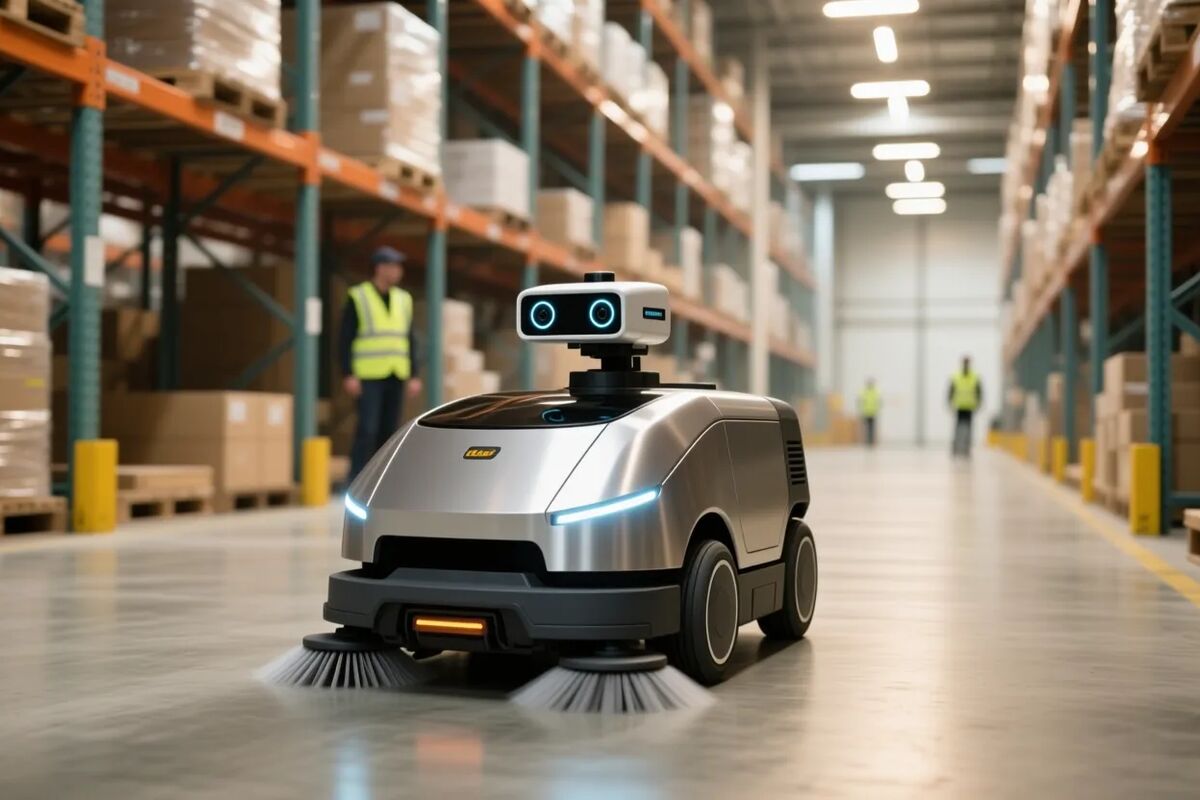
1.Robotic Cleaning Systems use specialized automatons to sweep, scrub, and vacuum large floors or clean ducts and disinfect areas. Ideal for malls, warehouses, and airports, these machines operate on fixed schedules or via remote supervision, boosting efficiency in high-traffic commercial environments.
Deep Local Cleaning Services: Technological Innovations Transforming Commercial Cleaning


By: Kevin Anderson
- Smart Equipment Connected by IoT and Real-Time Monitoring Concept: The Internet of Things (IoT) applied to cleaning turns equipment into nodes that report status, usage, and maintenance needs. Sensors for water or detergent levels, usage meters per area, and battery telemetry are examples of data that can be transmitted to cloud platforms for analysis.
Use Cases: Mobile or desktop platforms allow supervisors to visualize cleaning coverage, receive alerts for consumable replenishment, and reprogram routes based on demand or traffic. Integration with building management systems (BMS/FM) facilitates coordination between cleaning, maintenance, and security.
Operational Impact: Real-time monitoring enables data-driven decisions—for example, prioritizing the cleaning of high-traffic hallways or scheduling overnight charging for robot fleets. In some cases, data is also used to provide evidence of compliance with hygienic standards during audits.
- Development of Biodegradable and Non-Toxic Cleaning Solutions Context and Need: Regulatory pressure, sustainable building certifications (e.g., LEED/WELL in the U.S.), and occupant demand for less aggressive environments have driven the adoption of biodegradable and low-toxicity formulas. These solutions aim to reduce risks for workers and pets, minimize waste, and limit volatile organic compounds (VOCs).
Certifications and Criteria: Although no single universal seal exists, there are certifications and lists (e.g., EPA Safer Choice, certain local ecological standards, and "green" provider lists) that help verify ingredients and practices. Product selection should be based on technical data sheets, surface compatibility tests, and compliance with local regulations.
Application Examples: In the deep cleaning of carpets and upholstery, formulations with biodegradable surfactants and low-moisture systems are used to reduce residue. For sensitive areas (daycares, clinics), opting for products with lower irritant potential can decrease complaints and protect occupational health.
Conclusion The convergence of robotics, IoT, safer formulations, and predictive analysis is transforming the delivery of deep cleaning services in commercial and residential settings. These advancements could increase service consistency, reduce interruptions, and support sustainability goals. When evaluating technologies and providers, managers should prioritize pilot tests, technical verifications, and compatibility with local regulations to ensure practical and measurable results.