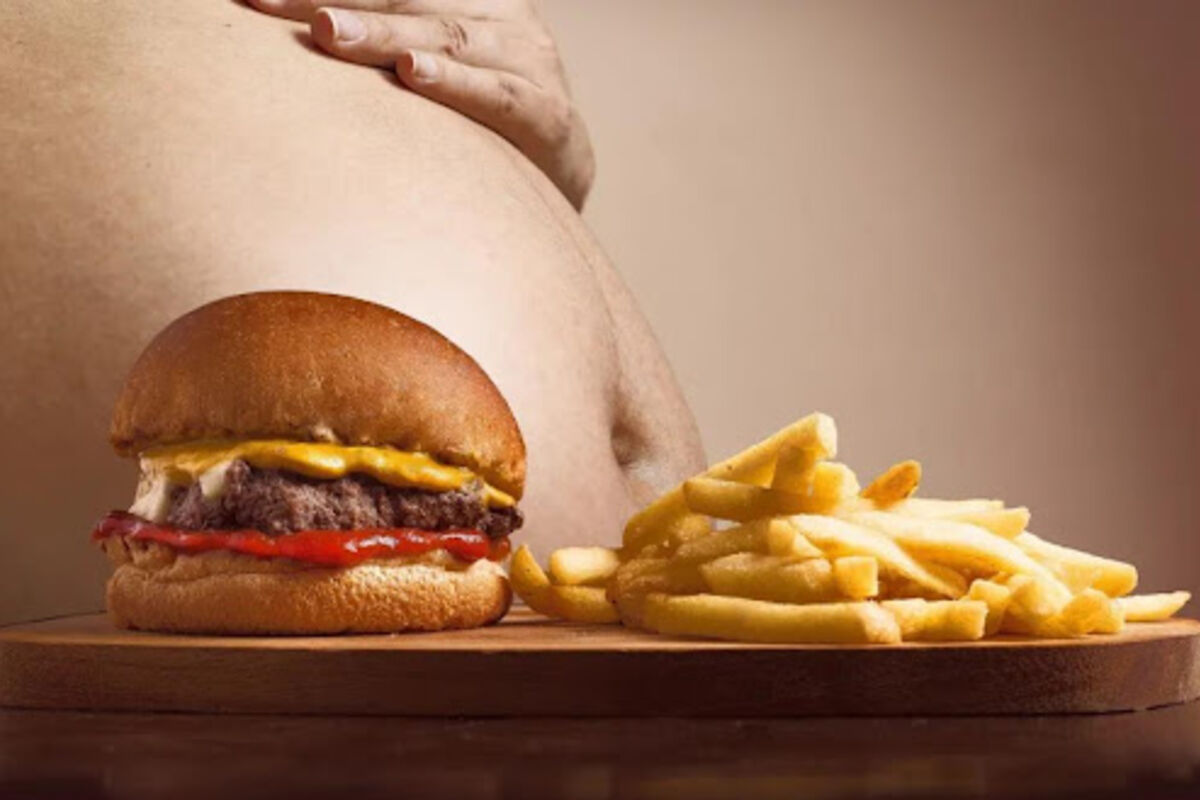


The Core Principles of Scientific Fat Burning The essence of weight loss is creating a calorie deficit—consuming more calories than you consume each day. The body's calorie expenditure consists of three main components: basal metabolism (the energy required to maintain life, accounting for 60-75% of total expenditure), the thermic effect of food (the energy consumed in digesting and absorbing food), and physical activity (exercise and daily activities). The key to fat burning is that when a calorie deficit is created, the body mobilizes stored fat for oxidation. However, it's important to note that excessive dieting can lead to a decrease in basal metabolism, putting the body into "energy-saving mode," making weight loss more difficult and prone to rebound. A scientifically sound rate of fat loss is 0.5-1 kg per week, ensuring that the weight loss is primarily fat, not water or muscle.
Must-read for fat burning and weight loss: A complete guide to exercise, diet, and lifestyle habits


By: Kevin Anderson
Effective Exercise Strategies for Fat Burning Exercise is a crucial means of widening the calorie deficit and boosting metabolism. The most effective combination of exercise for fat burning is aerobic exercise + strength training. Aerobic exercise (such as brisk walking, jogging, swimming, cycling, and skipping rope) directly burns calories. It's recommended to do 150-300 minutes of moderate-intensity aerobic exercise per week (slightly out of breath but still able to talk). The most efficient heart rate zone for fat burning is 60-70% of your maximum heart rate (maximum heart rate ≈ 220 - age). Strength training (such as squats, push-ups, dumbbell exercises, and machine training) doesn't burn as many calories as aerobic exercise, but it increases muscle mass, and muscle is the "engine" of fat burning—for every kilogram of muscle gained, your basal metabolic rate burns an additional 30-50 calories per day, leading to a leaner physique. It's recommended to do full-body strength training 2-3 times per week. In addition, high-intensity interval training (HIIT) can burn a large amount of calories in a short time and produce an "afterburn effect" (continued fat burning after exercise), suitable for people with some exercise experience.
Scientific Dietary Principles for Fat Loss Dietary control is not about "not eating," but about "eating right." First, ensure adequate protein intake. It's recommended to consume 1.2-1.6 grams of protein per kilogram of body weight daily (such as chicken breast, fish, shrimp, eggs, soy products, and lean beef). Protein provides a strong feeling of fullness, has a high thermic effect, and helps prevent muscle loss. Second, replace refined carbohydrates with high-quality carbohydrates. Replace some white rice and white noodles with complex carbohydrates such as oats, brown rice, sweet potatoes, corn, and whole-wheat bread. These have a low glycemic index and provide sustained energy. Third, eat plenty of vegetables, especially dark leafy greens. They are rich in dietary fiber and micronutrients, have a large volume but low calories, and increase satiety. Fourth, choose healthy fats such as nuts, avocados, olive oil, and deep-sea fish. Fat is not the enemy; healthy fats help maintain hormone balance. Fifth, control hidden calories by reducing sugary drinks, snacks, fried foods, sauces, and other high-calorie, low-nutrient foods. Sixth, drink plenty of water, ensuring 1.5-2 liters daily. Water participates in fat metabolism, and sometimes thirst can be mistaken for hunger.
Important Lifestyle Habits Lifestyle habits determine whether weight loss is sustainable and prevents rebound. Sufficient sleep is crucial. Sleep deprivation leads to decreased leptin (an appetite suppressant) and increased ghrelin, making you more prone to overeating and reducing your motivation to exercise when fatigued. Eat regularly, avoiding irregular meals to stabilize blood sugar and appetite. Chew slowly and thoroughly; it takes about 20 minutes for the brain to receive the "full" signal, so eating too quickly can easily lead to overeating. Keep a record of your food and exercise. Precise calculations aren't necessary, but simple record-keeping helps identify problems and maintain self-discipline. Find your intrinsic motivation; weight loss isn't about short-term weight numbers, but about becoming healthier, more energetic, and more confident. Accept reasonable fluctuations; daily weight fluctuations due to water and salt levels are normal. Focus on long-term trends rather than daily fluctuations. Finally, give yourself some flexibility. Occasionally indulging in a large meal or taking a day off won't affect your overall well-being; excessive suppression can easily trigger overeating.