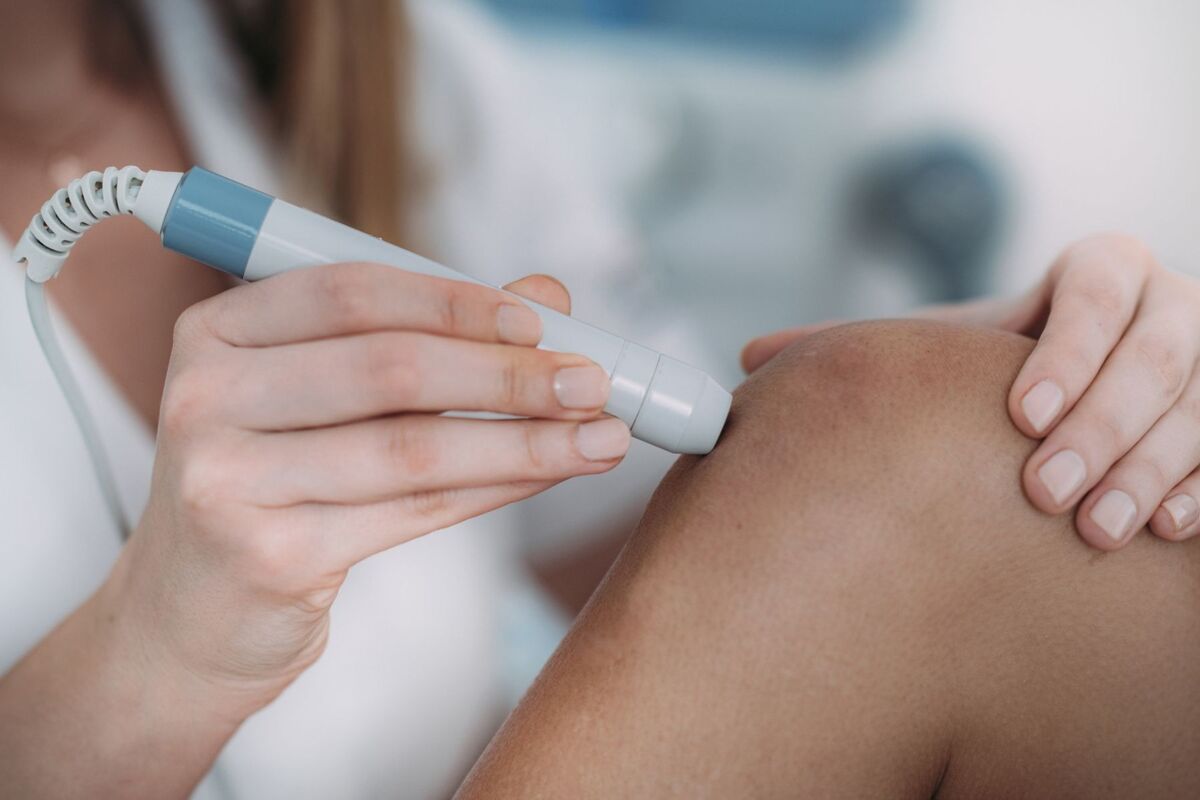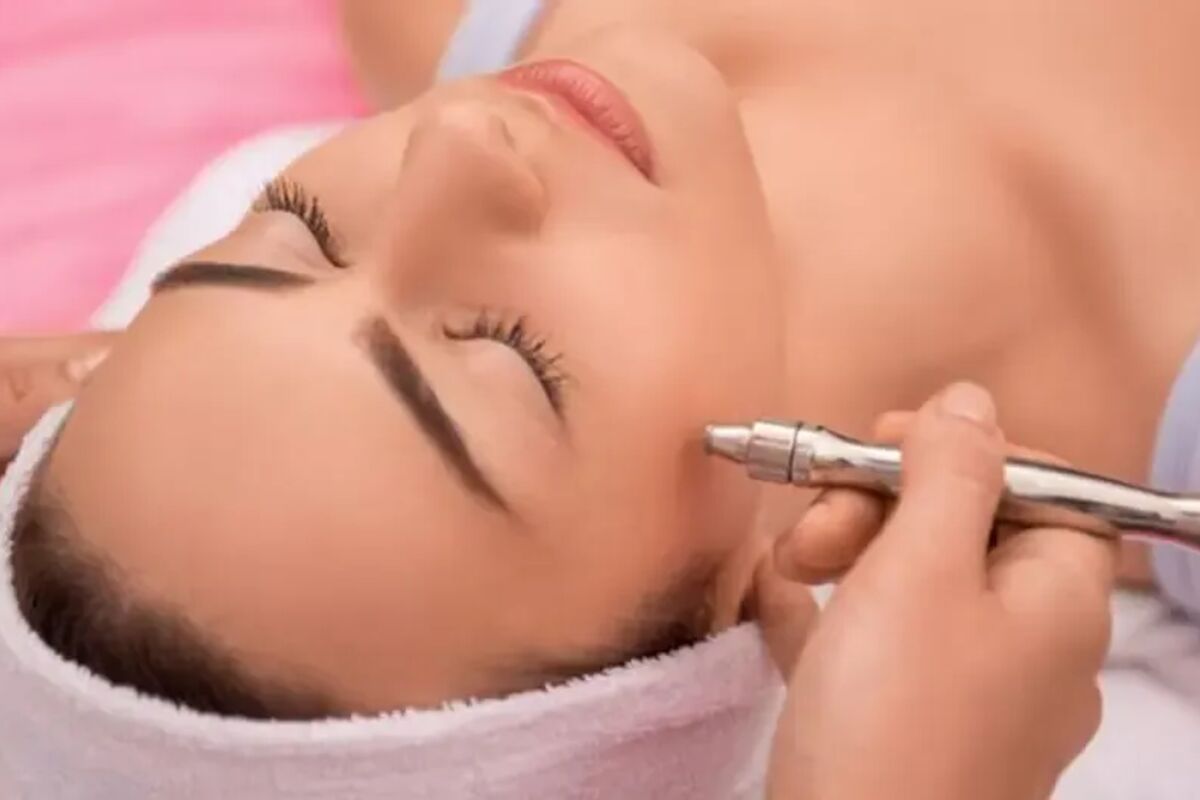

Understanding Low-Level Laser Therapy for Skin Rejuvenation Low-level laser therapy (LLLT) refers to the use of low-intensity laser or light-based devices designed to stimulate cellular activity without causing tissue damage. In skin care, LLLT is commonly explored as a non-invasive option for improving skin appearance and supporting natural skin processes. Unlike ablative or high-energy laser treatments, low-level laser therapies do not remove layers of skin or generate significant heat. Instead, they deliver specific wavelengths of light that interact with skin cells at a biological level. These therapies are often used in dermatology and aesthetic care settings and may be part of broader skincare or wellness routines.
What Low-Level Laser Therapies Are Used for Skin Rejuvenation?


By: Main Editor
Common Types of Low-Level Laser Therapies Red light therapy:Uses red or near-infrared wavelengths to support skin cell activity and circulation. Cold laser therapy: A low-intensity laser approach that does not produce heat and is used for skin and soft tissue applications. LED light therapy:Employs light-emitting diodes rather than lasers, often categorized alongside LLLT due to similar mechanisms. Each type of therapy uses different wavelengths and delivery methods, and treatment protocols may vary depending on the device and intended use.
Potential Skin-Related Benefits and Considerations Low-level laser therapies are commonly discussed in relation to skin tone, texture, and overall skin appearance. Some individuals explore these treatments as part of routines aimed at supporting collagen-related processes or improving the look of fine lines. It is important to note that results can vary based on individual skin type, treatment frequency, and device quality. LLLT is generally considered low-risk, but outcomes are not guaranteed. Low-level laser therapy is typically viewed as a supportive, non-invasive approach rather than a replacement for medical or surgical treatments.

When to Consult a Professional Before starting any laser-based skin treatment, consulting a qualified healthcare or skincare professional is recommended. A professional can help assess whether low-level laser therapy is appropriate based on skin condition, medical history, and expectations. Understanding realistic outcomes and proper usage can help individuals make informed decisions about incorporating LLLT into their skincare plans.