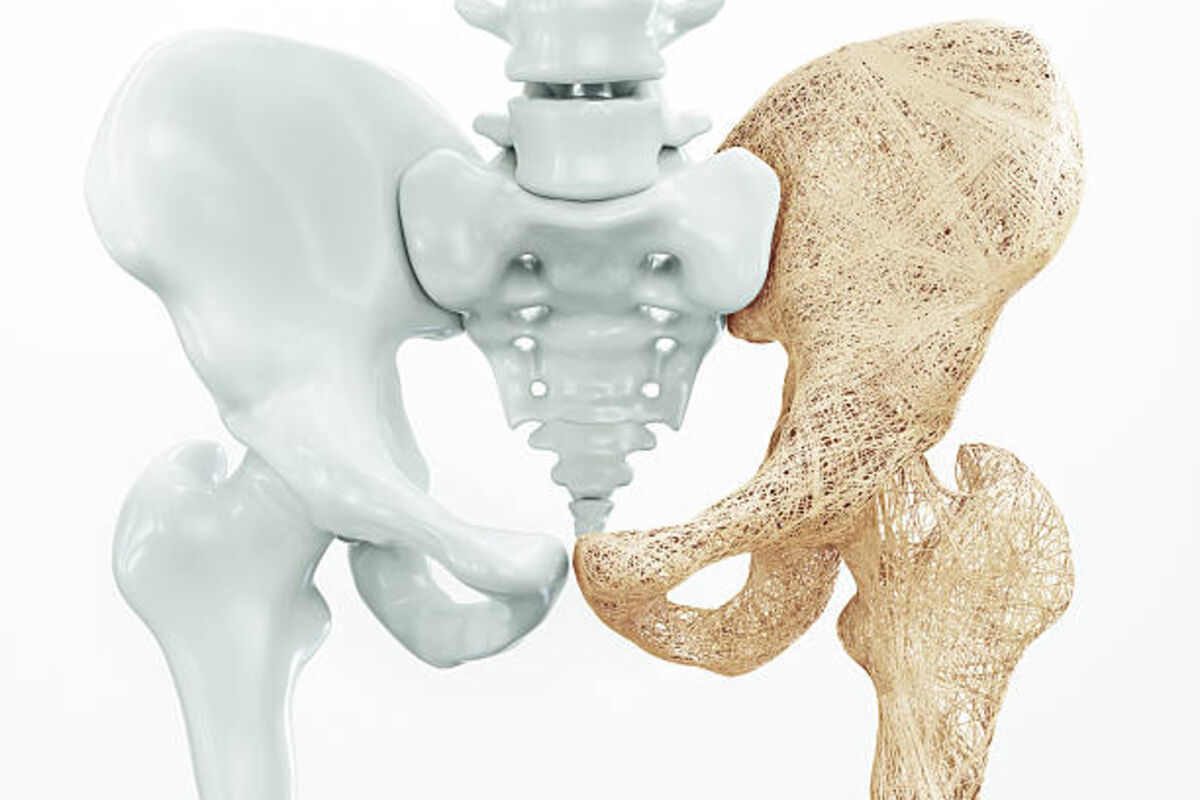


First Pillar: Building Strong Bones Through Diet Healthy bones require sufficient building blocks. First, ensure adequate calcium intake. Calcium-rich foods include milk, yogurt, soy products (tofu, dried tofu), dark green vegetables (kale, rapeseed), and small fish and shrimp with bones. Second, vitamin D acts as a "carrier" of calcium; without it, calcium is difficult to absorb. Consuming fatty fish (salmon, tuna) and egg yolks is beneficial. If dietary intake is insufficient, calcium and vitamin D supplements can be taken under the guidance of a doctor.
How to prevent osteoporosis? Essential guide for daily life.


By: Kevin Anderson
The Second Pillar: Stimulating Bone Growth Through Exercise Bone is a "use it or lose it" type of tissue; lack of weight-bearing makes bones brittle. Preventing osteoporosis requires more than just walking; weight-bearing and resistance training are essential. Weight-bearing exercises such as brisk walking, jogging, skipping rope, and climbing stairs allow bones to bear body weight, stimulating bone formation. Resistance training, such as lifting dumbbells and resistance band training, enhances muscle strength and balance; strong muscles also better protect bones. It is recommended to engage in at least 150 minutes of moderate-intensity exercise per week.
The Third Pillar: Eliminating Unhealthy Lifestyle Habits Some daily habits can unknowingly "steal" your bone mass. Smoking accelerates bone loss, and excessive alcohol consumption interferes with calcium absorption and bone metabolism. Furthermore, excessive consumption of coffee, strong tea, and carbonated beverages can also negatively impact bone health, as caffeine and phosphoric acid may increase urinary calcium excretion; moderate consumption is recommended. Simultaneously, ensure adequate daily sun exposure (avoiding midday sun exposure, allowing your arms and face to receive 15-30 minutes of sunlight) to promote vitamin D synthesis in the skin.
Fourth Pillar: Fall Prevention (The Most Important Link) For high-risk groups of osteoporosis (especially postmenopausal women and the elderly), fall prevention is the most direct and effective way to prevent fractures. In daily life, pay attention to the following: keep your home environment bright and dry, remove small rugs and clutter from the floor, install handrails in the bathroom, and wear non-slip shoes. If you have poor balance, consider using a cane or walking aid and engage in targeted balance training (such as Tai Chi).