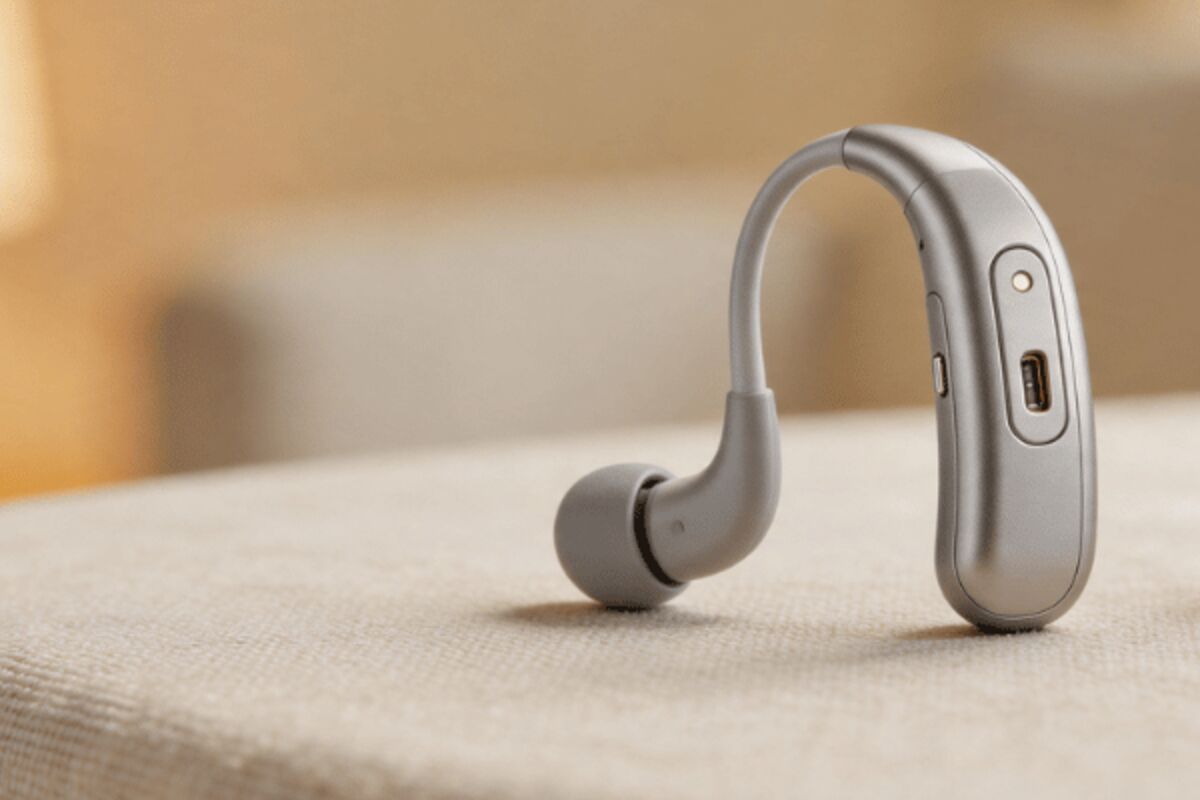
The hearing aid market in 2026 offers incredible advancements, but it also brings a wave of poorly made products and deceptive marketing tactics. Whether you are a first-time user or looking to upgrade, awareness of these red flags is the first step toward making an informed decision.
5 Hearing Aids to Avoid Buying in 2026 (Experts' Guide)


By: Kevin Anderson
1. Audien Atom Pro 2 The Audien Atom Pro 2 is marketed as a compact and powerful hearing aid. However, recent evaluations have raised concerns about its performance and value proposition. A comprehensive review by the National Council on Aging (NCOA) highlighted that while the Atom Pro 2 offers a sleek design, it falls short in delivering consistent sound quality, especially in noisy environments.
Additionally, the device's battery life has been reported to be shorter than advertised, leading to user dissatisfaction. The NCOA's review suggests that consumers might find better value in other models that offer more reliable performance and longer battery life.
2. Sennheiser All Day Clear Sennheiser's All Day Clear hearing aid is positioned as a high-quality device suitable for various listening environments. However, recent evaluations have identified several drawbacks. A detailed analysis by Forbes Health noted that while the All Day Clear boasts advanced features, it is priced significantly higher than comparable models without offering proportional benefits.
Furthermore, the device's user interface has been described as unintuitive, making adjustments cumbersome for users. The review also pointed out that the All Day Clear lacks certain features, such as Bluetooth connectivity, which are standard in many competing devices.
3. Zepp Clarity Pixie The Zepp Clarity Pixie is another hearing aid that has garnered attention in 2026. However, recent evaluations have highlighted several shortcomings. A comprehensive review by Forbes Health indicated that while the Clarity Pixie offers a range of features, its performance in real-world settings does not meet expectations.
Users have reported issues with sound clarity, especially in environments with background noise. Additionally, the device's design has been criticized for being bulkier than anticipated, affecting comfort and discretion. The review suggests that consumers might find more value in other models that offer better performance and comfort.
4. Lucid Engage Lucid Engage is marketed as an affordable hearing aid option. However, recent evaluations have raised concerns about its overall quality. A detailed analysis by Forbes Health highlighted that while the Engage is budget-friendly, it compromises on essential features such as sound quality and durability.
Users have reported issues with feedback and distortion, especially in noisy environments. The device's build quality has also been questioned, with some users experiencing malfunctions after a short period of use. The review suggests that investing in slightly more expensive models could provide better long-term value.
5. Lexie B2 Plus The Lexie B2 Plus is another hearing aid that has been evaluated in 2026. However, recent reviews have identified several areas of concern. A comprehensive review by Forbes Health noted that while the B2 Plus offers a range of features, its performance does not align with user expectations.
Users have reported issues with connectivity, especially when pairing with smartphones. Additionally, the device's battery life has been shorter than advertised, leading to inconvenience for users. The review suggests that consumers might find better value in other models that offer more reliable performance and longer battery life.
Key Takeaways Several hearing aids in 2026, such as the Audien Atom Pro 2 and Sennheiser All Day Clear, have been identified as less favorable choices due to performance issues and high costs. Devices like the Zepp Clarity Pixie and Lucid Engage have been criticized for sound clarity problems and lack of essential features. The Lexie B2 Plus has faced user complaints regarding connectivity and battery life. Consumers are advised to consider alternative models that offer better value, reliability, and user satisfaction. Consulting with audiologists and reviewing recent evaluations can aid in making informed decisions. Disclaimer: This article provides information based on available evaluations and user feedback. It is not intended as medical advice. For personalized recommendations, consult with a qualified audiologist or healthcare professional.