

Harnessing the Power of Solar Panels: A Comprehensive Guide

Harnessing the Power of Solar Panels: A Comprehensive Guide
Author Jason Brooks

By: Jason Brooks

Clock icon5 Minute read
Category: general

Introduction to Solar Panels

Solar energy is rapidly becoming a cornerstone of sustainable energy solutions worldwide. As the global community grapples with the effects of climate change, solar panels have emerged as a viable alternative to fossil fuels. They convert sunlight into electricity, providing a renewable source of energy that is both environmentally friendly and economically advantageous. In this article, we will explore the workings of solar panels, their benefits, installation considerations, and future trends in solar technology.

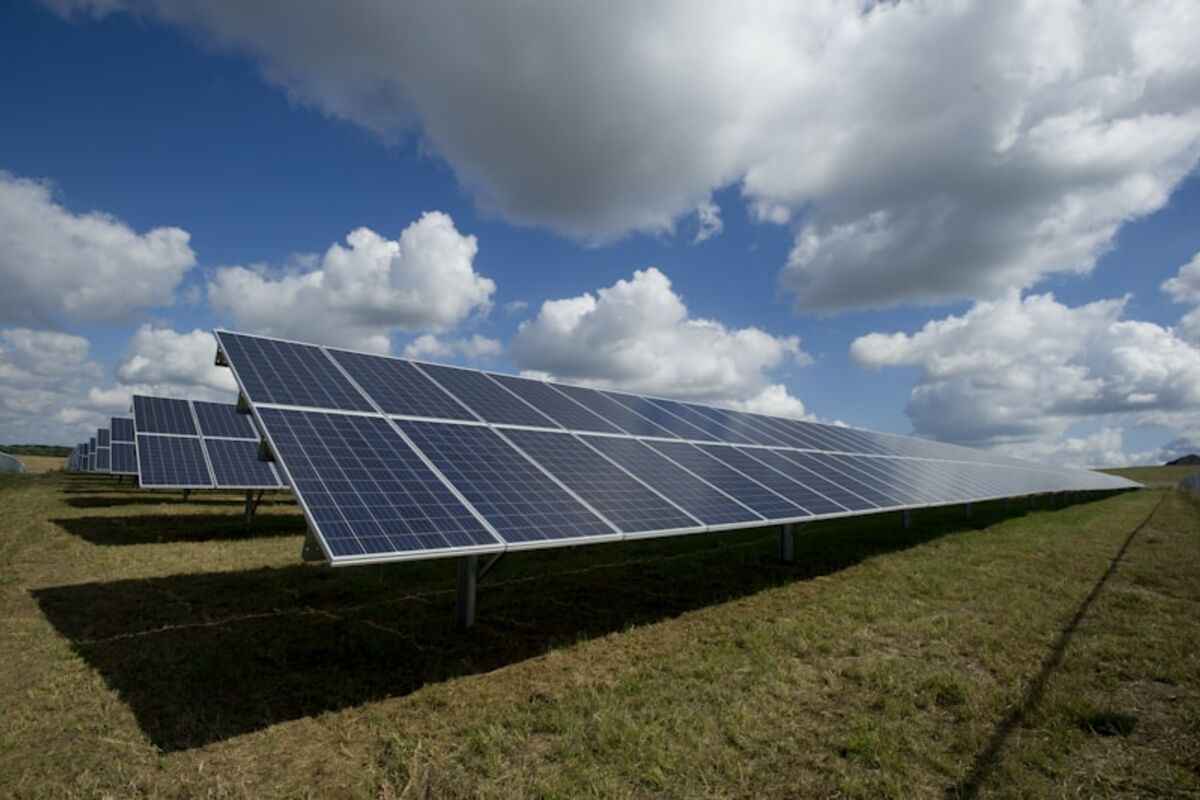
Solar panels, also known as photovoltaic (PV) panels, are made up of many solar cells that convert sunlight into electricity through the photovoltaic effect. This process begins when photons from sunlight strike the solar cells, exciting electrons and generating a flow of electricity. The amount of electricity produced depends on several factors, including the efficiency of the solar cells, the amount of sunlight they receive, and the angle at which they are installed. Modern solar panels are designed to maximize efficiency even under less-than-ideal conditions, making them an attractive option for homeowners and businesses alike.

The benefits of solar panels extend beyond just electricity generation. They can significantly reduce energy bills, increase property value, and provide energy independence. As technology advances, the costs of solar panels continue to decrease, making them more accessible to a broader audience. In the following sections, we will delve deeper into the specifics of solar panel technology, their advantages, and tips for installation.

The Benefits of Solar Panels

Solar panels offer numerous benefits that make them an increasingly popular choice for energy production. Here are some of the key advantages:

  • Cost Savings: One of the most immediate benefits of solar panels is the reduction in electricity bills. By generating your own electricity, you can save significantly over time. Many homeowners report savings of 50% or more on their monthly energy bills.
  • Environmental Impact: Solar energy is a clean, renewable resource. By using solar panels, you contribute to reducing greenhouse gas emissions, which is crucial in the fight against climate change. Unlike fossil fuels, solar power does not deplete natural resources.
  • Energy Independence: With solar panels, you can produce your own electricity, reducing your reliance on the grid. This is particularly beneficial in areas prone to power outages or where electricity costs are high.
  • Increased Property Value: Homes with solar panel installations often see an increase in property value. Potential buyers are attracted to the idea of lower energy costs and energy independence, making solar homes more desirable.
  • Government Incentives: Many governments offer tax credits, rebates, and other financial incentives to encourage solar panel installation. These programs can significantly offset the initial costs and improve the return on investment.

In addition to these benefits, solar technology has advanced significantly in recent years, leading to more efficient and aesthetically pleasing options for consumers. For example, solar shingles blend seamlessly with traditional roofing materials, providing a more attractive solution for homeowners concerned about aesthetics. Furthermore, battery storage technology allows homeowners to store excess energy generated during the day for use during the night, maximizing the benefits of solar energy.

In summary, solar panels not only provide an effective way to generate electricity but also contribute positively to the environment and personal finances.

Tips for Choosing and Installing Solar Panels

When considering the installation of solar panels, there are several factors to keep in mind to ensure a successful investment:

  1. Assess Your Energy Needs: Before purchasing solar panels, evaluate your energy consumption. Review your electricity bills from the past year to determine an average monthly usage. This will help you determine the size and capacity of the solar system you need.
  2. Consider Your Location: The effectiveness of solar panels can vary based on geographical location and climate. Areas with more sunlight will yield better results. Use online tools to estimate solar potential in your area.
  3. Research Different Types of Solar Panels: There are various types of solar panels available, including monocrystalline, polycrystalline, and thin-film. Each has its advantages and disadvantages in terms of efficiency, cost, and aesthetics. Monocrystalline panels tend to have the highest efficiency but come at a higher price.
  4. Professional Installation: While DIY options exist, hiring a professional installer can ensure that your solar panels are installed correctly and safely. Look for certified installers with good reviews and a solid reputation in your area.
  5. Understand Maintenance Requirements: Solar panels generally require minimal maintenance, but it's important to keep them clean and free of debris. Regular inspections can help identify issues early and ensure optimal performance.
  6. Check Local Regulations: Before installing solar panels, familiarize yourself with local regulations and building codes. Some areas may have restrictions or specific requirements for solar installations.

By following these tips, you can make informed decisions that enhance the overall effectiveness and longevity of your solar panel investment.

Conclusion and Key Takeaways

Solar panels represent a significant leap towards sustainable energy solutions. They offer a multitude of benefits, including cost savings, environmental impact reduction, and energy independence. As technology advances, the efficiency and affordability of solar panels continue to improve, making them an attractive option for homeowners and businesses alike.

In summary, here are the key takeaways regarding solar panels: * Solar panels convert sunlight into electricity, providing a renewable energy source. * They can significantly lower electricity bills and increase property value. * Understanding your energy needs and researching options is crucial for successful installation. * Hiring a professional installer can ensure safety and efficiency.

As we move towards a more sustainable future, solar panels will play a vital role in reducing our reliance on fossil fuels and promoting clean energy practices. Embracing solar technology not only benefits the environment but also offers financial advantages that contribute to a more sustainable lifestyle.