

How to Choose a Generator? A Comprehensive Analysis from Principles to Applications

How to Choose a Generator? A Comprehensive Analysis from Principles to Applications
Author Kevin Anderson

By: Kevin Anderson

Clock icon5 Minute read
Category: general

Generator Working Principle and Core Types A generator is essentially a device that converts mechanical energy into electrical energy. Its core principle is based on electromagnetic induction—when a conductor moves through a magnetic field, cutting magnetic lines of force, an induced current is generated. The mechanical energy driving the generator typically comes from an internal combustion engine (gasoline, diesel) or new energy sources (solar, wind). Based on application and portability, they are mainly divided into three categories: portable gasoline generators, which are small, quiet, and inexpensive, suitable for home emergencies, outdoor camping, and powering small appliances, with power typically ranging from 1-5 kilowatts; diesel generators, which have high thermal efficiency, safer fuel, and greater durability, suitable for long-term operation, construction sites, factories, hospitals, etc., with a wide power range (5 kilowatts to several thousand kilowatts); and inverter generators, which output a stable, pure sine wave current through electronic technology, can be used in parallel, suitable for precision electronic equipment (computers, mobile phones, medical equipment), and automatically adjust the speed according to the load, offering energy saving and quiet operation. Furthermore, they are classified by the number of phases: single-phase (household 220V) and three-phase (industrial 380V).

Five Core Parameters to Clarify Before Purchasing: First, power requirements are the primary indicator. Calculate the total power required for all devices that need simultaneous power supply (starting power is often 2-3 times higher than operating power, especially for motor-driven devices such as refrigerators, air conditioners, and water pumps), and it is recommended to add a 20-30% margin to this. For example, for a home emergency requiring a refrigerator, lighting, fan, and mobile phone charging, a 2-3 kW option is suitable; for outdoor construction powering welding machines and water pumps, 5-10 kW or even higher may be needed. Second, fuel type directly affects operating costs and safety. Gasoline is flammable and moderately priced, suitable for short-term emergencies; diesel has a high calorific value, is safer to store, and has low operating costs, suitable for long-term heavy loads; dual-fuel models can switch between gasoline and liquefied petroleum gas, making them more adaptable. Third, operating time determines ease of use; the larger the fuel tank capacity, the longer a single refueling lasts. Fourth, noise level is crucial in residential areas or camping, generally indicated in decibels (dB); 60-70 decibels at 7 meters is considered a relatively quiet model. Fifth, the output voltage and interface must match the electrical equipment. For household use, choose 220V single-phase; for industrial use, choose 380V three-phase. Ensure there are sufficient types and quantities of electrical outlets.

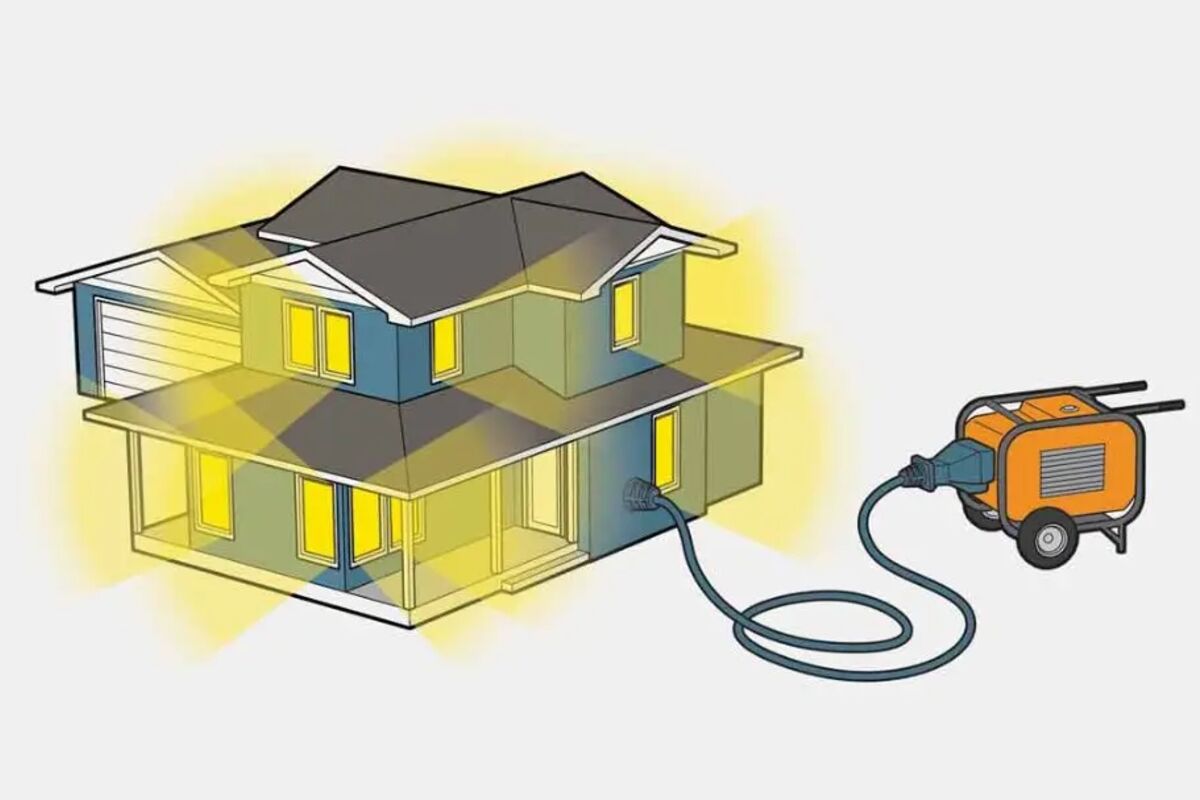
Main Application Scenarios of Generators Generators are widely used in various scenarios requiring off-grid power. Home emergency backup is a common need, addressing power outages caused by natural disasters such as typhoons, blizzards, and earthquakes, maintaining the basic operation of lighting, refrigerators, water pumps, routers, and heating/cooling equipment, ensuring that family life is not significantly affected. In outdoor work and camping, portable generators provide power for power tools, lighting, audio equipment, coffee carts, RV air conditioners, etc. Inverter generators are particularly suitable for electronic equipment with high current stability requirements. In the commercial and industrial sectors, diesel generators are the main power source for construction sites, mines, and oil fields, and are also essential backup power sources for hospitals, data centers, communication base stations, shopping malls, etc., ensuring the continuous operation of critical equipment during mains power outages. In agriculture and remote areas, generators can drive irrigation pumps, feed grinders, lighting, and other equipment, solving problems of insufficient grid coverage or unstable power supply.

Purchase and Usage Precautions: First, brand and after-sales service are crucial. Choose well-known brands (such as Honda, Yamaha, Zongshen, Loncin, etc.) to ensure quality and parts supply. Also, check if there are local service centers. Second, safe use is paramount. The generator must be placed outdoors in a well-ventilated area, away from doors and windows, to prevent carbon monoxide poisoning. The generator must be stopped and allowed to cool down before refueling. Use qualified cables to avoid overheating due to overload. Use a grounding wire to prevent electric shock. Third, maintenance extends lifespan. Regularly change the engine oil, air filter, and spark plugs. When not in use for extended periods, drain the fuel to prevent gum buildup in the carburetor. Fourth, consider future expansion. If you plan to add electrical equipment later, choose a model with sufficient power margin. Fifth, consider noise and environmental impact. In residential areas, pay attention to noise restrictions. Some cities have emission standards; choose models that meet them. Sixth, weigh your budget. Don't just go for the cheapest option. Inferior generators may have inflated power ratings, be noisy, and have a high failure rate. A comprehensive consideration of performance, brand, and after-sales service is the wise choice.