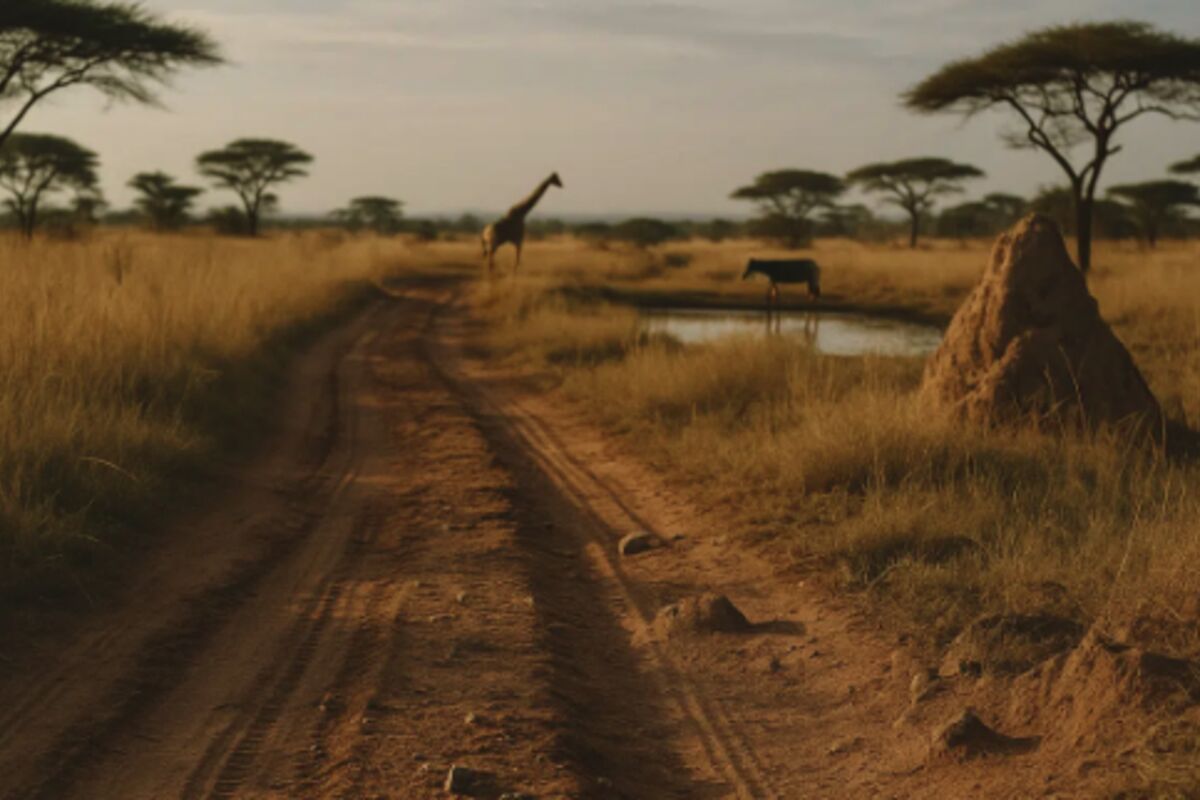
Dreaming of a compact safari that still feels epic? This 5-day all‑inclusive Africa plan for 2026 blends big‑sky landscapes, close‑up wildlife moments, and stress‑free logistics into one elegant loop. You’ll see how to time seasons, balance budgets, and choose routes that maximize sightings without marathon transfers. Read on for realistic day‑by‑day options, clear costs, and smart tips that turn five days into a memory‑rich journey.
Explore 5 Days of African Safaris – All-Inclusive Tour Package


By: Kevin Anderson
Why a 5‑Day All‑Inclusive Africa Trip in 2026 Works Five days may sound short for a continent‑spanning adventure, yet a focused, all‑inclusive plan can deliver concentrated wildlife viewing, meaningful cultural context, and reassuringly smooth logistics. In 2026, demand for nature‑forward escapes continues to rise as travelers look for restorative trips that feel both efficient and immersive. All‑inclusive formats reduce friction: park fees, transfers, guiding, meals, and most activities are prearranged, freeing you to watch horizons, not spreadsheets. For first‑timers, this structure removes guesswork; for returning travelers, it streamlines a quick nature reset between busy schedules.
Why five days works comes down to smart geography. By concentrating on one high‑yield region—an ecosystem with diverse habitats and well‑managed reserves—you can string together sunrise and late‑afternoon game drives, night safaris where permitted, and relaxed midday breaks. That cadence typically produces multiple sightings windows per day. In savanna systems known for abundant herbivores and apex predators, the probability of memorable encounters accumulates quickly. For example, in protected areas across East and Southern Africa, you may observe large grazing herds, elephant family groups, and a range of carnivores within just a couple of intensive drive days, especially during dry seasons when animals congregate near water.
All‑inclusive formats also support conservation and local employment through transparent levies and community fees, common across leading reserves. Knowing that a portion of your payment sustains habitats and guides’ livelihoods adds purpose to the experience. In 2026, operators increasingly bundle carbon‑aware options—such as lighter‑footprint camps and refill systems—without compromising comfort. This aligns with travelers’ desire for tangible, positive impact. Who thrives on a 5‑day plan: – Time‑pressed professionals seeking a high‑value immersion without complex trip building – Families aiming for guided structure, predictable costs, and kid‑friendly pacing – Photographers who prefer quality sightings windows over nonstop moving – Repeat visitors adding a focused region to a broader journey In short, a 5‑day all‑inclusive trip shines when it prioritizes proximity (short transfers), biodiversity (high encounter potential), and service design (expert guiding, reliable vehicles, and calm scheduling). The result is a journey that feels unhurried even when the calendar is.
Budget, Inclusions, and Value in 5 Days All‑inclusive pricing for a 5‑day safari in 2026 varies by region, season, room type, and whether charters are included. As a planning anchor, a mid‑range package commonly falls between about USD 2,800 and 4,500 per person sharing, while entry‑level lodge combinations can start near USD 1,800–2,500 in shoulder months. Premium tented suites and fly‑in logistics can extend to USD 5,000–8,000 per person for added exclusivity and remote access. Single supplements may apply; families sometimes access child‑rate structures depending on age and room configuration.
What’s typically included: – Accommodation with daily housekeeping and linen service – All meals (often breakfast, lunch, afternoon tea, and dinner) – Scheduled game drives (usually two per day) in a shared 4×4 with a pro guide – Park and conservation fees (commonly USD 10–100+ per person per day depending on the reserve) – Airport or airstrip transfers at set times – Tea, coffee, and a house selection of beverages; premium imports may carry a surcharge
Common exclusions: – International flights – Visas and arrival taxes (often USD 30–100 depending on nationality and country) – Travel insurance – Gratuities (a practical guideline is to plan a modest daily amount for guides and camp staff) – Specialty activities such as balloon flights, private vehicles, or extended spa treatments
How to stretch value without compromising experience: – Travel in shoulder seasons when wildlife remains strong but rates ease; examples include late May or early November in many regions. – Use a single well‑situated reserve rather than splitting time across multiple parks, reducing transfer costs and maximizing sightings windows. – Consider shared vehicles; private vehicles add flexibility but increase cost. If photography is your focus, weigh the benefit of extra space and control over angles.
Payment and policies generally involve a deposit to secure space—often in the 20–40% range—with balances due 45–90 days before travel. Cancellation windows tighten closer to departure, so flexible change terms, when offered, carry real value. Currency movement can affect pricing; operators sometimes quote in USD to stabilize budgets. Lastly, transparent conservation levies indicate your stay contributes to habitat protection and community partnerships—an intangible but meaningful return.
Practical Planning, Safety, and Responsible Travel: Final Takeaway A smooth 2026 safari hinges on thoughtful logistics. Start with flight timing: many gateways offer overnight arrivals that pair well with a short regional connection or road transfer. Aim to arrive by midday to catch an afternoon drive on Day 1. Keep luggage soft‑sided if a light aircraft is involved, and confirm weight limits—frequently around 15–20 kg including hand luggage—well in advance.
Pack with function in mind: – Neutral‑toned layers for early chills and midday warmth – A brimmed hat, high‑SPF sunscreen, and sunglasses – Closed shoes for vehicle steps and optional short walks – Binoculars (8x or 10x), spare batteries, and dust protection for camera gear – A compact daypack with refillable bottle; most camps run water‑refill stations
Health and safety basics are straightforward. Consult a travel health professional for region‑specific guidance well before departure, especially regarding recommended vaccinations or prophylaxis where relevant. Use repellents, wear long sleeves at dusk, and follow camp briefings about wildlife movement. On drives, remain seated unless instructed, keep voices low near animals, and never feed wildlife. Licensed operators adhere to speed limits and reserve rules; your guide’s primary goal is both your safety and the well‑being of the ecosystem.
Travel documents and money tips: – Passport validity: ensure at least six months beyond your return date and adequate blank pages – Visas: requirements vary by nationality; several countries offer e‑visa systems with processing times that can change – Payments: even with all‑inclusive plans, carry a small cushion for tips and incidentals; cards are increasingly accepted in urban hubs, while remote camps may prefer pre‑paid arrangements
Responsible travel choices magnify your impact. Select camps investing in solar power, local sourcing, and accredited guiding programs. Support community conservancies through visits that respect privacy and culture. Stick to refillable bottles and minimal single‑use plastics. Ethical wildlife watching—giving animals space, avoiding off‑road driving in sensitive areas unless permitted, and staying on marked tracks—protects habitats for the long term.
Conclusion for 2026 travelers: A five‑day all‑inclusive plan rewards clarity. Pick one high‑yield region, favor shoulder dates if you value quiet scenes, and let expert guides set a relaxed yet observant pace. With logistics handled and conservation built into your stay, those dawn silhouettes and dust‑lit evenings become the core of a journey that feels far longer than the calendar suggests—memorable, grounded, and thoughtfully paced for modern travel realities.