
Early Thyroid Symptoms: Signs That May Indicate a Thyroid Problem

Early Thyroid Symptoms: Signs That May Indicate a Thyroid Problem
Author kevin_anderson

By: Kevin Anderson

Clock icon3 Minute read
Category: diy

Understanding Early Thyroid Symptoms

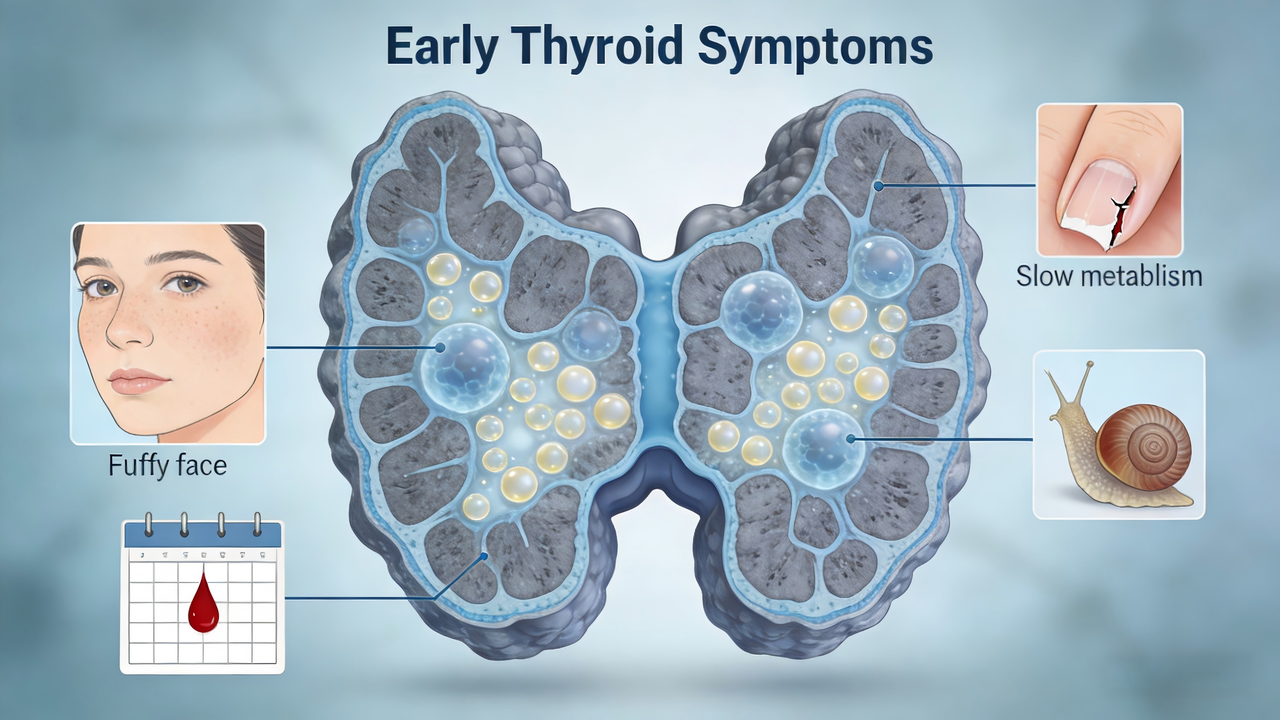
The thyroid is a small, butterfly-shaped gland located in the neck that plays a critical role in regulating metabolism, energy levels, and hormone balance. When the thyroid does not function properly, it can affect many systems throughout the body.

Early thyroid symptoms are often subtle and may develop gradually, making them easy to overlook or attribute to stress or aging. Recognizing these early signs can help prompt timely medical evaluation.

This article outlines common early symptoms associated with thyroid disorders and explains why awareness is important for long-term health.
Common Early Signs of Thyroid Issues

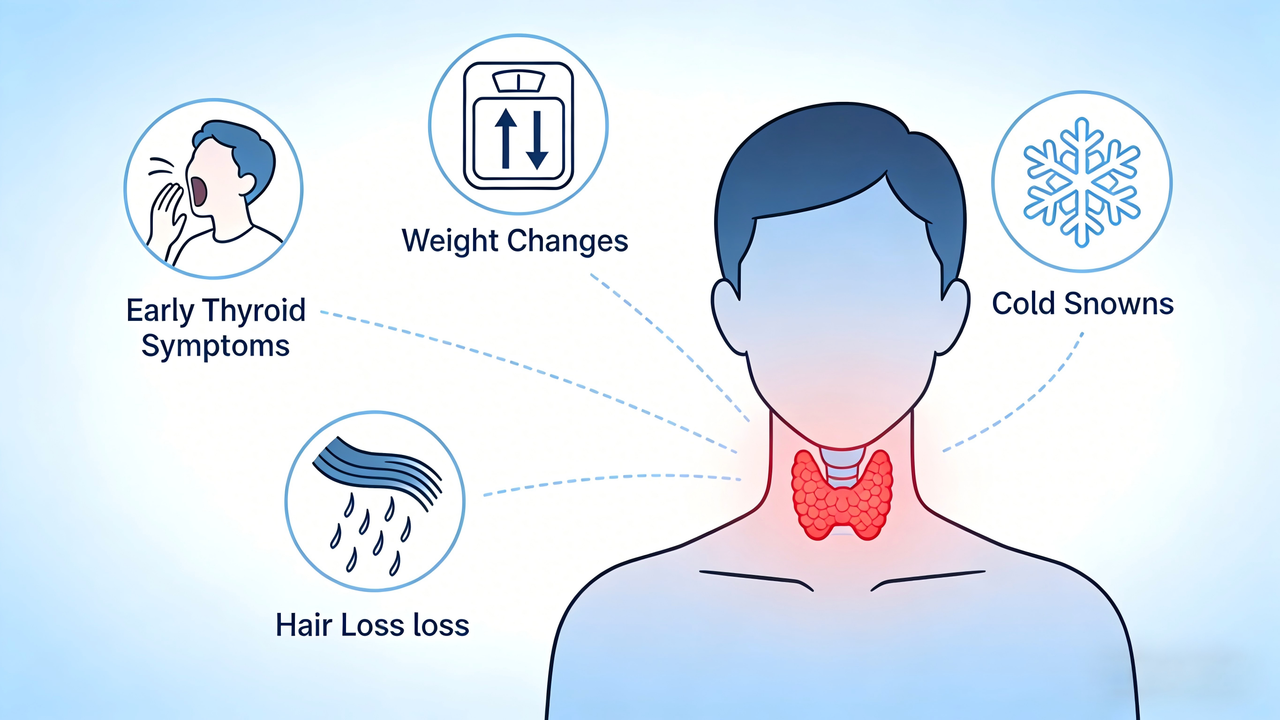
  • Fatigue and low energy: Persistent tiredness despite adequate rest.- Weight changes: Unexplained weight gain or weight loss.- Temperature sensitivity: Increased sensitivity to cold or heat.- Changes in heart rate: Slower or faster than normal heartbeat.- Hair and skin changes: Dry skin, thinning hair, or hair loss. These symptoms can appear in both underactive and overactive thyroid conditions and may vary in intensity from person to person.

Less Obvious Symptoms to Be Aware Of

In addition to physical symptoms, thyroid disorders can also affect mood and cognitive function. Early signs may include anxiety, depression, irritability, or difficulty concentrating.

Digestive changes, muscle weakness, and irregular menstrual cycles can also be linked to thyroid hormone imbalances. Because these symptoms are non-specific, thyroid conditions are sometimes diagnosed later than ideal.

Thyroid disorders often affect multiple body systems, which is why symptoms can feel unrelated at first.

Article image

When to Seek Medical Advice

If symptoms persist or worsen over time, consulting a healthcare professional is recommended. Blood tests can help assess thyroid hormone levels and determine whether further evaluation is needed.

Early diagnosis allows for better management and can help reduce the risk of long-term complications related to thyroid imbalance.