
Know What You're Feeling: Take a Depression Test Everyone has bad days. But when sadness, emptiness, or loss of interest in things you once loved persists for weeks, it may be more than just a rough patch.
Category: general


By: Main Editor
 5 Minute read
Know What You're Feeling: Take a Depression Test Everyone has bad days. But when sadness, emptiness, or loss of interest in things you once loved persists for weeks, it may be more than just a rough patch.
Beyond "Feeling Blue": Recognizing Clinical Depression A self-assessment can help distinguish between temporary sadness and clinical depression. Major depressive disorder involves specific symptoms: changes in sleep patterns, appetite shifts, fatigue, difficulty concentrating, feelings of worthlessness, or even thoughts of self-harm. If these sound familiar, your screening results can help you articulate these symptoms to a healthcare provider. Remember, you're not alone—over 21 million adults in the US experience at least one major depressive episode each year.
What Your Score Means: Next Steps After the Test Your depression test result is not a diagnosis, but a guide. A high score doesn't label you—it lights a path forward. Depending on your results, next steps might include scheduling an appointment with a primary care physician, seeking a psychiatrist, or starting therapy. For those in crisis, immediate resources like the 988 Suicide & Crisis Lifeline provide 24/7 support. We provide tailored recommendations based on your score range to help you navigate what comes next.
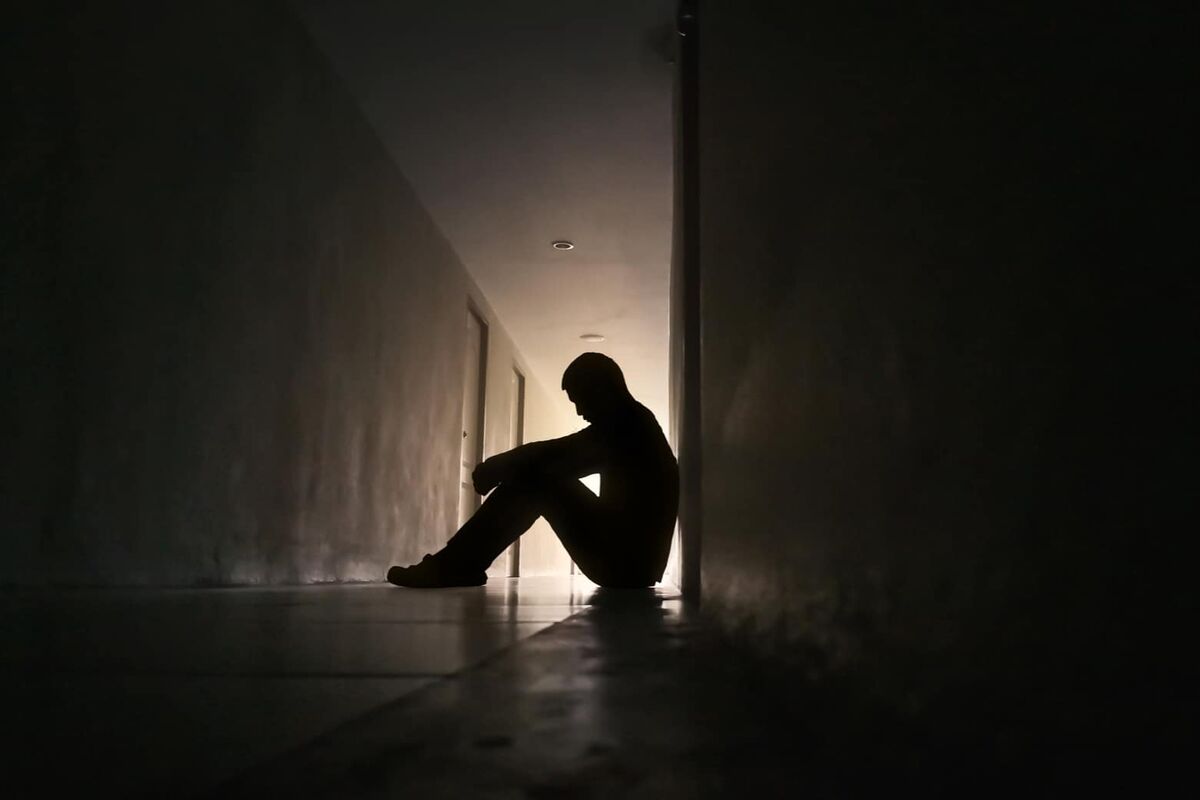
Hope and Healing: Treatment Options That Work Depression is one of the most treatable mental health conditions. With the right approach, 80-90% of people eventually respond well to treatment. Options range from evidence-based psychotherapies like CBT and interpersonal therapy to medications such as SSRIs, and emerging treatments like TMS or ketamine therapy for treatment-resistant cases. Lifestyle changes—exercise, routine, social connection—also play a vital role. Taking the test today is the first step toward reclaiming your life.