Dental Implants: Costs, Types, and What to Expect in 2026

Dental Implants: Costs, Types, and What to Expect in 2026
Author Jessica Miller

By: Jessica Miller

Clock icon5 Minute read
Category: health

Introduction

Over 120 million Americans are missing at least one tooth, and roughly 3 million have dental implants — a number growing by 500,000 annually according to the American Academy of Implant Dentistry. Understanding costs, implant types, and recovery timelines helps patients choose the right replacement option.

Understanding Dental Implant Types

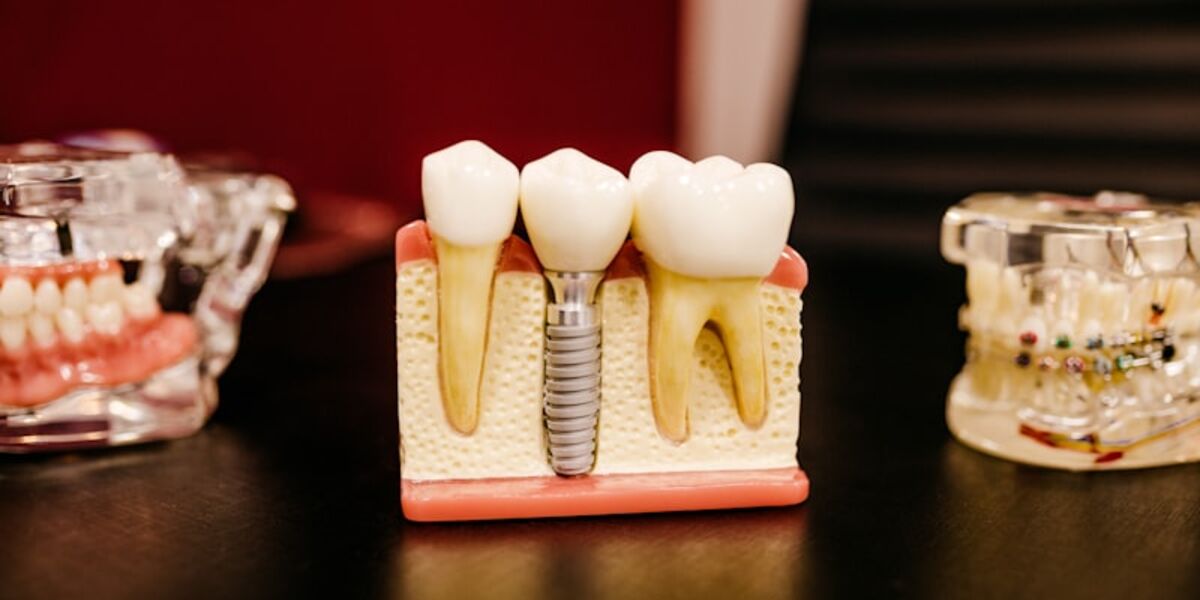
Modern dental implants use biocompatible titanium or zirconia posts surgically placed into the jawbone, where they fuse through osseointegration over 3-6 months. The choice between implant systems depends on bone density, tooth location, and long-term aesthetic goals.

  • Endosteal Implants: The most common type, placed directly into the jawbone; Nobel Biocare and Straumann together account for over 60% of the global implant market.
  • Subperiosteal Implants: Metal frames that sit on top of the jawbone beneath the gum tissue, used for patients with insufficient bone height who cannot undergo grafting procedures.
  • Zygomatic Implants: Anchored in the cheekbone rather than the upper jaw; Nobel Biocare's Zygoma system provides a graft-free solution for patients with severe maxillary bone loss.
  • Mini Implants: Narrower posts at 1.8-3.3mm diameter compared to the standard 3.5-5.0mm; 3M MDI mini implants are FDA-cleared specifically for stabilizing lower dentures.

How Osseointegration Determines Success

Implant success rates above 95% depend on proper bone fusion, which varies by patient health and the surface technology of the chosen implant system.

  1. Surface Texture: Straumann SLActive uses a chemically modified sandblasted surface that reduces healing time from 6-8 weeks to 3-4 weeks.
  2. Bone Density: The Lekholm and Zarb classification grades jawbone from D1 (dense cortical) to D4 (soft trabecular), with D1-D2 achieving 97% implant success rates.
  3. Loading Protocol: Immediate loading places a temporary crown within 48 hours; Nobel Biocare's All-on-4 protocol supports full-arch restoration on just 4 implants per jaw.
  4. Patient Factors: Smokers face a 2.5 times higher failure rate according to the Journal of Dental Research, and uncontrolled diabetes with HbA1c above 8% doubles complication risk.

Comparing Costs and Financing

A single dental implant in the United States costs $3,000 to $6,000 including the post, abutment, and crown. Full-mouth restorations like All-on-4 range from $20,000 to $30,000 per arch, making financing a critical factor for most patients.

  • Single Implant: Total cost of $3,000-$6,000 breaks down to $1,500-$2,500 for the titanium post, $500-$1,000 for the abutment, and $1,000-$2,500 for the porcelain crown.
  • Implant-Supported Bridge: Replacing 3-4 adjacent teeth with 2 implants and a bridge costs $6,000-$12,000, roughly 30-40% less per tooth than individual implants.
  • All-on-4 Full Arch: Nobel Biocare's trademarked protocol uses 4 implants per arch at $20,000-$30,000; Straumann Pro Arch offers similar outcomes at comparable pricing.
  • Bone Grafting Add-On: Required for 30-50% of patients, adding $300-$3,000 depending on graft type; Geistlich Bio-Oss and BioHorizons are the most widely used synthetic graft materials.

Insurance and Payment Options

Most dental insurance plans cap implant coverage at $1,500-$2,500 annually, leaving patients to bridge the gap through alternative financing.

  1. Dental Insurance: Delta Dental PPO plans cover 50% of implant costs up to a $2,000 annual maximum in most states, while Cigna Dental covers implants under major restorative benefits at similar rates.
  2. Medical Financing: CareCredit provides 0% APR promotional periods of 12-24 months for dental procedures, and Lending Club Patient Solutions offers fixed rates from 4.99% to 24.99% APR.
  3. Discount Plans: DentalPlans.com offers savings of 15-50% through a network of over 140,000 dentists, with annual membership costing $80-$200 and no waiting periods.
  4. Dental Schools: Accredited programs through the American Dental Education Association offer implant placement at 50-70% below private practice rates, with all procedures supervised by licensed faculty.
Article image

Conclusion

Dental implants remain the gold standard for permanent tooth replacement, with success rates exceeding 95% across all major systems. Single implant costs of $3,000-$6,000 and full-arch restorations at $20,000-$30,000 represent a significant investment, but 25-year longevity makes implants more cost-effective than bridges or dentures replaced every 5-10 years. Advances in surface technology from Straumann and Nobel Biocare have shortened healing times, while financing through CareCredit and dental school programs improve accessibility.

Key Takeaways:

  • Endosteal implants account for over 90% of placements, with Nobel Biocare and Straumann leading the market at combined success rates above 95%.
  • Total costs range from $3,000-$6,000 per single implant to $20,000-$30,000 for a full-arch All-on-4 restoration.
  • Insurance gaps are common, but CareCredit 0% APR financing and dental school programs at 50-70% discounts provide viable alternatives.
  • Bone grafting is needed in 30-50% of cases and adds $300-$3,000 to the total; early consultation helps patients avoid more extensive procedures later.