
The Ultimate Guide to Liquidation Stores in Canada

The Ultimate Guide to Liquidation Stores in Canada
Author Sarah Johnson

By: Sarah Johnson

Clock icon7 Minute read
Category: general

What Is a Liquidation Store?

If you've been hearing more people talk about amazing deals they found at a liquidation store, you're not imagining things. This growing trend is changing how many Canadians shop, and for good reason.

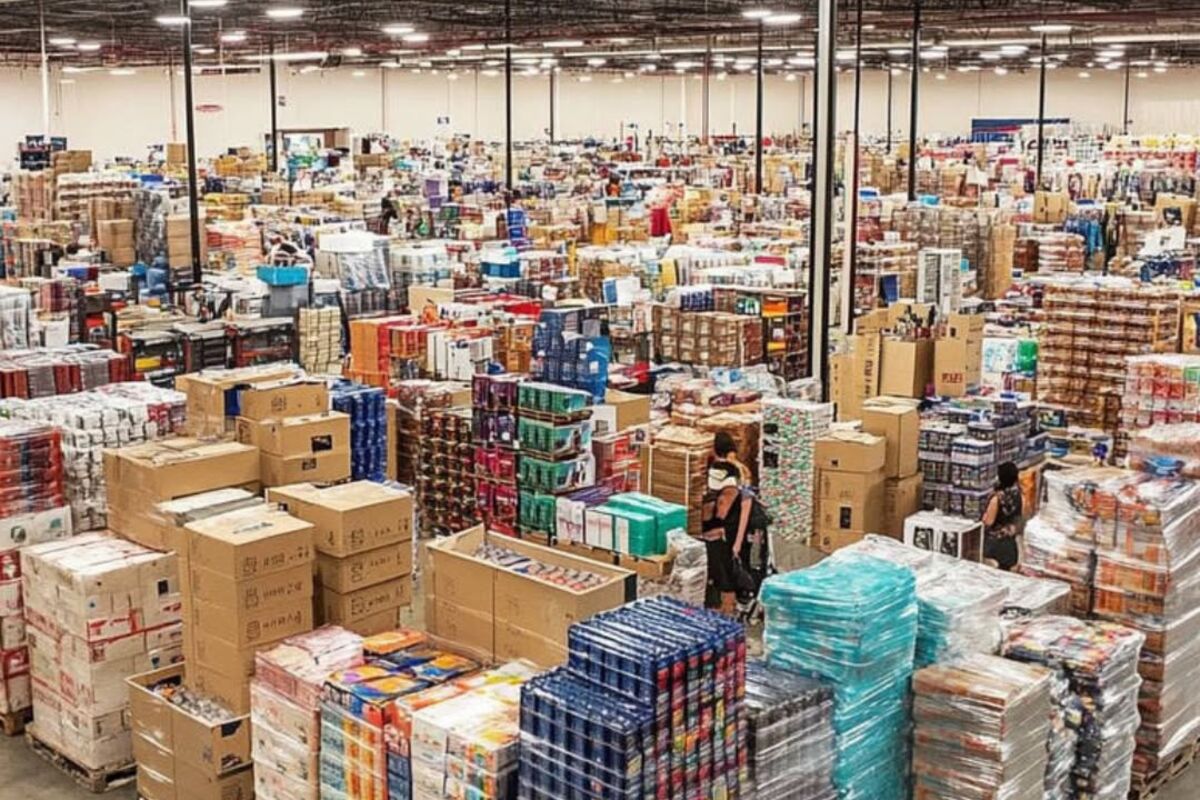
A liquidation store sells merchandise that traditional retailers can no longer move through their normal channels. This isn't used or second-hand inventory like a thrift store. Instead, products come directly from major big-box retailers like Amazon, Walmart, The Home Depot, and Best Buy.

The inventory typically falls into one of these categories:

  • Overstock: A retailer ordered too much of a product and sells the excess to liquidators at a steep discount. These items are brand new and in original packaging.
  • Shelf Pulls: Items that sat on a retail shelf but didn't sell. The product inside is still new.
  • Customer Returns: The largest category. When you return an item to a major retailer, it often can't go back on the shelf. These returns are bundled onto pallets and sold to liquidators.
  • Discontinued Models: When a company releases a new product, retailers clear out the previous version. This brand-new stock is often sold to liquidation businesses.

Liquidators buy this merchandise by the pallet or truckload for pennies on the dollar, then pass a portion of those savings on to you.

Why More Canadians Are Choosing Liquidation Stores

The rising popularity of liquidation shopping comes down to a combination of factors that appeal to budget-conscious, modern consumers.

Unbeatable Prices

The savings can't be matched by traditional retail sales. Because liquidators acquire goods at such low cost, they can sell brand-name products for 50-80% off the original price. You might find a $400 KitchenAid mixer for $100, a $150 pair of brand-name running shoes for $40, or a high-end coffee machine for the price of a budget model. In an economy where every dollar counts, that value is a massive draw.

The Thrill of the Treasure Hunt

Shopping at a liquidation store is an experience. Unlike a traditional store where you know exactly what you'll find, the inventory here changes constantly. One week you might find high-end electronics and power tools; the next could be designer clothing and home decor. This unpredictability makes every visit feel like an adventure.

Access to Brand-Name Goods

Many people assume discount shopping means generic or low-quality products. Liquidation stores flip that idea completely. Since inventory comes from major national retailers, you're buying the exact same brands you'd find anywhere else — Dyson, DeWalt, Cuisinart, LEGO, Under Armour. This lets shoppers own premium products they might not otherwise afford.

More Reasons to Shop Liquidation

A More Sustainable Way to Shop

Environmental consciousness is a growing priority for many Canadians. Liquidation shopping is an inherently sustainable practice. Every year, millions of perfectly good products — especially customer returns — are sent to landfills by major corporations because it's cheaper than processing them. By purchasing these items from a liquidator, you're directly participating in a form of retail recycling, giving products a second chance and preventing unnecessary waste.

The Rise of Bin Stores

In Canada, the liquidation model has evolved into different exciting formats. The most popular is the bin store, where all items are tossed into large bins and priced by day of the week. A store might price everything at $25 on Friday, with the price dropping each day until it hits $1 by Wednesday. This creates a frenzied, exciting atmosphere and offers the chance for unbelievable deals if you're willing to dig. Other stores sell individual items on shelves or allow customers to buy entire pallets of goods.

Tips for Smart Liquidation Shopping

Going in with a strategy makes a real difference. Here's what experienced liquidation shoppers recommend:

Test Electronics Before You Buy

Look for a designated area with power outlets to test electronic items before purchasing. Most electronics are sold as-is, so testing is essential.

Inspect Everything Carefully

Take items out of the box if possible. Check for missing parts, signs of damage, or cosmetic defects. A damaged box is fine — a damaged product is another story.

Understand the Return Policy

Ask about the return policy before you pay. Most liquidation stores have a final sale policy, while some may offer a short window for store credit.

Follow Stores on Social Media

Most liquidation stores use Facebook or Instagram to announce restock days and post pictures of the standout items available that week. Following them helps you decide if a trip is worth it.