
alzheimer's disease

alzheimer's disease
Author Main Editor

By: Main Editor

Clock icon5 Minute read
Category: general

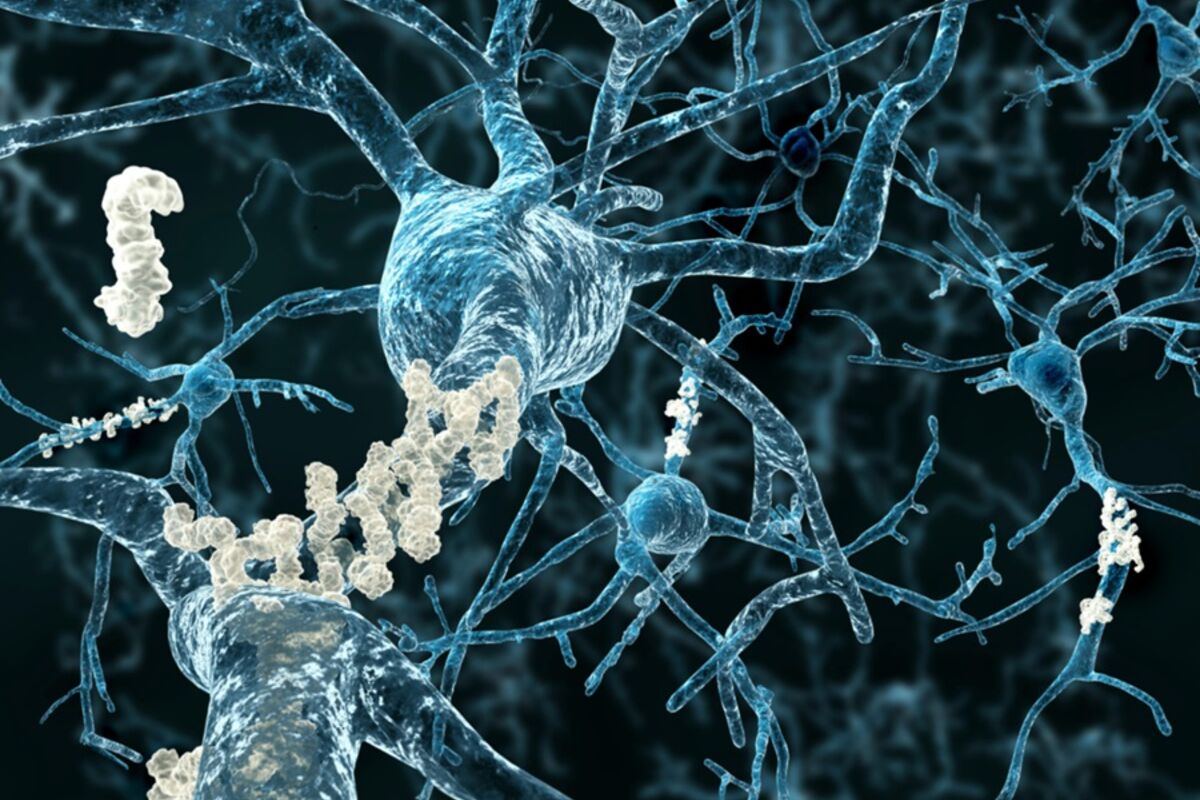
Understanding Alzheimer's: Beyond Simple Forgetfulness Alzheimer's disease is not a normal part of aging. It is a progressive brain disorder that slowly destroys memory and thinking skills. While occasional memory lapses are common, Alzheimer's symptoms like getting lost in familiar places, difficulty having conversations, and significant personality changes signal a deeper concern. Recognizing these signs early is the first, crucial step toward managing the condition and planning for the future.

Navigating the Journey: Stages and Care Strategies Alzheimer's disease progresses through distinct stages: early (mild), middle (moderate), and late (severe). In the early stage, individuals may still function independently but struggle with memory lapses. The middle stage is often the longest and involves increasing confusion and the need for more intensive care. The late stage requires round-the-clock assistance. Adapting your care approach to each stage—from using simple reminders to ensuring safety and comfort—can significantly improve quality of life for both the patient and the caregiver.

Essential Support for Caregivers and Families Caring for someone with Alzheimer's is one of the most demanding roles a person can take on. It's vital to remember that you are not alone. Building a support network is essential. This includes seeking local caregiver support groups, utilizing respite care services to prevent burnout, and educating yourself about legal and financial planning for long-term care. Taking care of your own mental and physical health isn't selfish—it's necessary to be a strong advocate for your loved one.

Article image

Hope on the Horizon: Research and Risk Reduction While there is currently no cure for Alzheimer's, the landscape of research is evolving rapidly. New medications aim to slow cognitive decline, and clinical trials are exploring innovative therapies. Furthermore, emerging evidence suggests that lifestyle modifications—such as regular cardiovascular exercise, a heart-healthy diet like the MIND diet, and staying socially and mentally engaged—may help reduce the risk of cognitive decline. Staying informed about the latest research empowers you to make proactive choices today.