

Managing COPD Costs: How to Access Essential Inhalers Without Insurance

Managing COPD Costs: How to Access Essential Inhalers Without Insurance
Author Kevin Anderson

By: Kevin Anderson

Clock icon5 Minute read
Category: general

Living with a chronic respiratory condition like COPD requires consistent medication, yet the rising costs can be a significant barrier for those lacking adequate health coverage. Fortunately, there are several verified pathways to help you get copd inhalers with no insurance while maintaining the high standard of care your lungs deserve in 2026.

Navigating Patient Assistance Programs for COPD The most effective way to manage costs is through Patient Assistance Programs COPD, which are often sponsored by pharmaceutical manufacturers or non-profit organizations. In 2026, major groups like the PAN Foundation offer substantial copay grants, sometimes providing up to $4,600 annually to help eligible patients afford their prescriptions. These programs are designed specifically for those who meet certain income requirements, typically falling at or below 400% of the Federal Poverty Level. By applying for these grants, you can significantly reduce or even eliminate the out-of-pocket costs for essential maintenance medications.

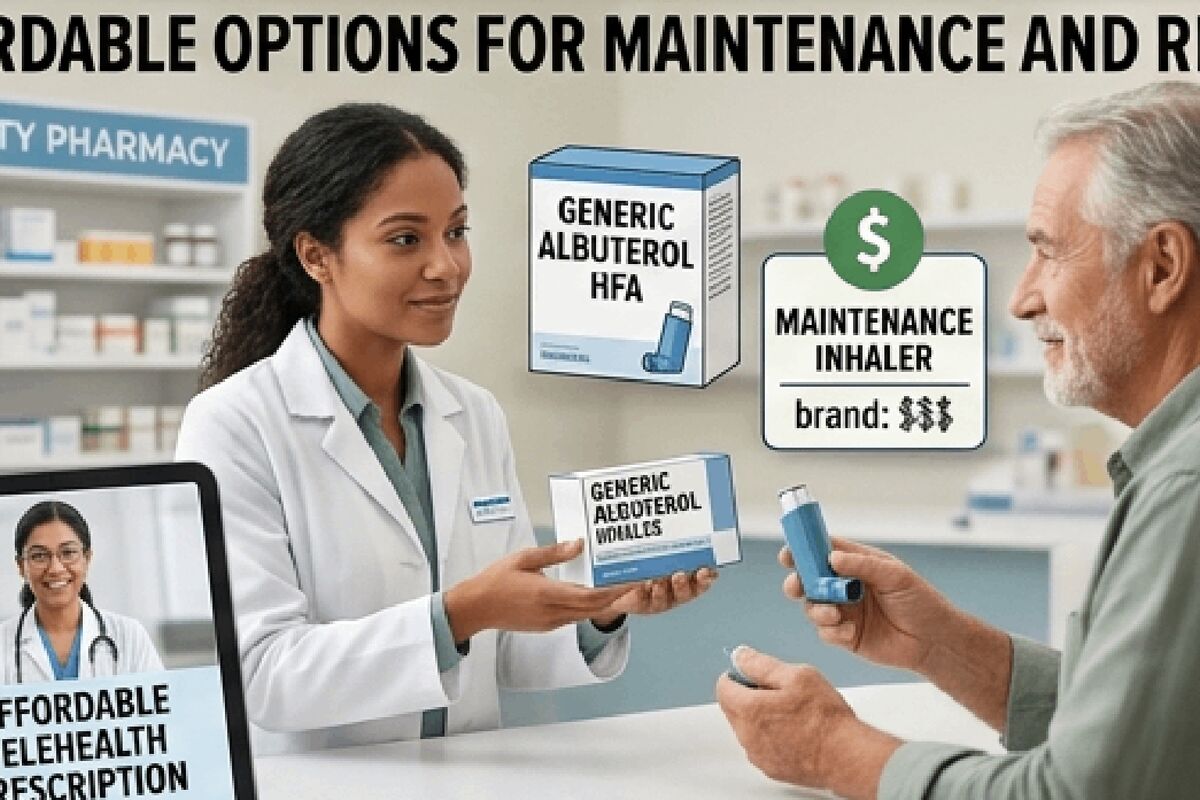
Affordable Options for Maintenance and Rescue When you need to get copd inhalers with no insurance, exploring generic versions of established medications is a smart financial move. Standard rescue treatments, such as Albuterol HFA, are widely available at lower price points through discount pharmacies and online platforms. While over-the-counter options like Primatene Mist exist, they are primarily labeled for mild asthma and may not provide the comprehensive relief required for advanced COPD. It is always recommended to consult with a healthcare provider via affordable telehealth services to secure a prescription for the most effective generic inhaler suited to your specific lung function.

Community Resources and Long-Term Support Beyond direct medication assistance, local community resources play a vital role in long-term COPD management. Many state-funded clinics and local health departments offer sliding-scale fees for respiratory consultations, helping you stay updated on your condition. Additionally, patient advocacy groups provide education on modifying lifestyle factors—such as air quality and breathing exercises—which can reduce the frequency of inhaler use over time. By combining these diverse resources, patients can build a sustainable treatment plan even when navigating the complexities of being uninsured.