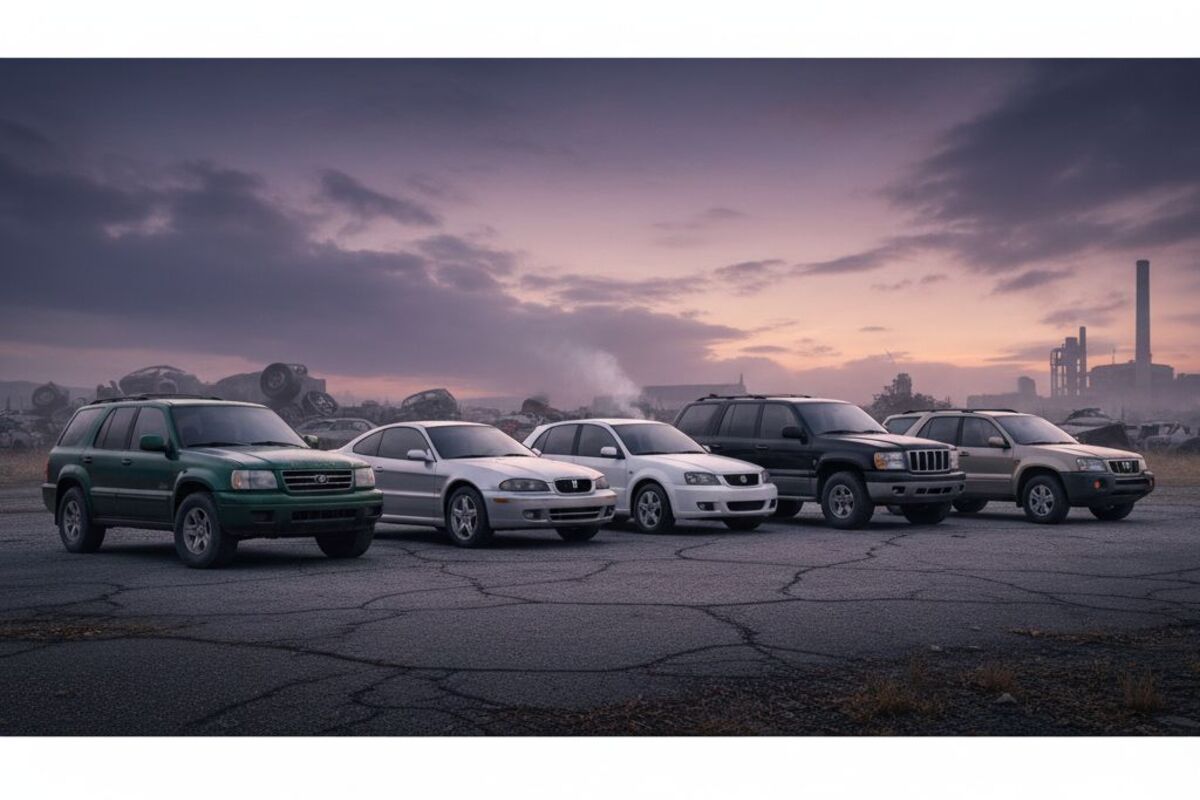
Understanding SUV Red Flags
When considering an SUV purchase, it's crucial to identify potential red flags that could lead to dissatisfaction. Common concerns include reliability, cost of ownership, and fuel efficiency. Here are some specific factors to watch out for:
- Reliability: Frequent breakdowns and recalls can lead to costly repairs and inconvenience.
- Cost of Ownership: High maintenance and insurance costs can make some SUVs financially burdensome.
- Fuel Efficiency: Poor fuel economy can significantly increase annual fuel expenses.
- Resale Value: A steep depreciation rate can affect long-term investment value.
Notable SUV Models to Avoid
Before making a purchase, it's important to research specific models that have garnered negative attention for these reasons.
- Jeep Cherokee: Known for its frequent transmission issues, the Jeep Cherokee has been criticized for reliability concerns, with repair costs averaging $1,200 annually.
- Ford Explorer: Despite its popularity, the Ford Explorer has faced criticism for its poor fuel efficiency, averaging only 20 miles per gallon.
- Chevrolet Traverse: Owners report high maintenance costs, with an average of $1,600 per year, making it an expensive choice.
- Nissan Pathfinder: This model has a high depreciation rate, losing up to 55% of its value within three years.